
Mediation
– the Road to Resolution
The State and Federal Courts of Australia support mediation as an affordable and often faster way to resolve disputes, giving you more control over both the process and the outcome.
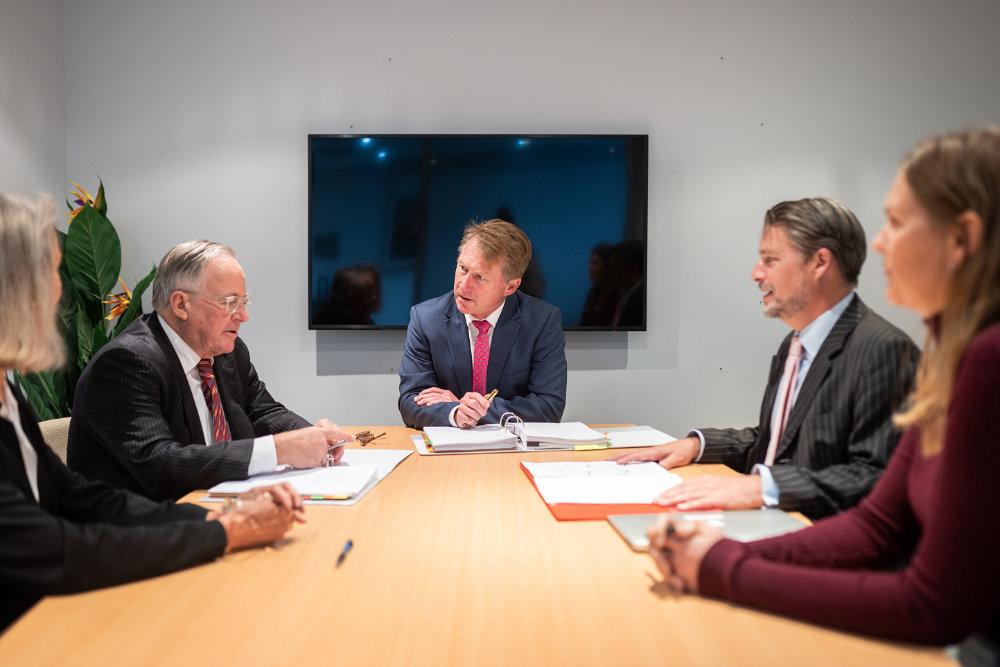
Mediation is a structured process that replaces arguments and power struggles with dialogue and negotiation. A neutral mediator guides participants in collaboratively exploring and resolving their differences.
I am available to conduct mediations in all areas of the law including:
- Commercial disputes
- Civil disputes
- Succession and estate matters
- Contractual and business disputes

About John Lee
I am a Queensland-based mediator and barrister with over 40 years’ experience in civil litigation and dispute resolution.
Since being called to the Bar in 1982, I have practised predominantly in commercial and civil matters. I have acted as mediator in numerous disputes over the past 25 years, and have represented parties in several hundred mediations.
That experience informs my approach. I understand how parties, their advisers and insurers assess risk, and what is required to move a matter towards resolution.
I conduct mediations in a practical, efficient and commercially focused manner, assisting parties to identify the real issues and explore workable outcomes.
Mediation empowers parties to make their own decisions, avoiding the need for court intervention. Court proceedings can be time-consuming, costly, and emotionally draining. John guides the mediation process with expertise, providing a structured environment where participants can work collaboratively to reach a resolution that works for them.
Check Availability

John is available for both half and full day mediation at our offices or at your chosen location.
View Fees

The half and full day fees are inclusive of up to 2 hours of reading time, and any necessary intake sessions.
Contact John

If you need more information about John’s rates or availability, please contact the office.
Tip of the Month
Do I really need to prepare for a Mediation?
The short answer is “Yes”. But it is important to know why.
Start by identifying what it is you are trying to achieve from the proceeding.
In a typical case with 2 parties, each will want to achieve a satisfactory outcome from the Mediation process. The thinking is that Mediation is faster and cheaper than litigation, and removes some of the risks of litigation, an obvious one being an order to pay the other side’s costs.
Once you have identified your objective, you can start planning how to achieve it. A common (and potentially fatal) error is to approach Mediation on the basis that you simply state what you want, listen to the response, and go through some ambit bargaining to meet at a middle ground position. If both parties have that approach, the matter is unlikely to settle. If one party has that approach, it might settle, but on terms that are likely to be less than satisfactory for the unprepared party.
The Mediation process is not designed to remove the need for preparation. Rather, it is designed to allow a faster and less costly resolution to a matter where the parties are properly prepared.
In short, if you do not know what witnesses you would call at trial, what they would say, and which documents you will put into evidence, you are not only not ready for trial, but you are not ready for Mediation either.
